
In a world faced with growing environmental challenges, Corporate Social Responsibility (CSR) plays a crucial role in promoting sustainable business practices.

In a world faced with growing environmental challenges, Corporate Social Responsibility (CSR) plays a crucial role in promoting sustainable business practices.

Awareness of biodiversity issues is now widespread. Public authorities, private sectors, NGOs, and citizens are all concerned.
Belgium is one of the most urbanized countries in the world. According to the World Bank, Belgium’s urbanization rate was 98% in 2023. This figure highlights the environmental challenges...
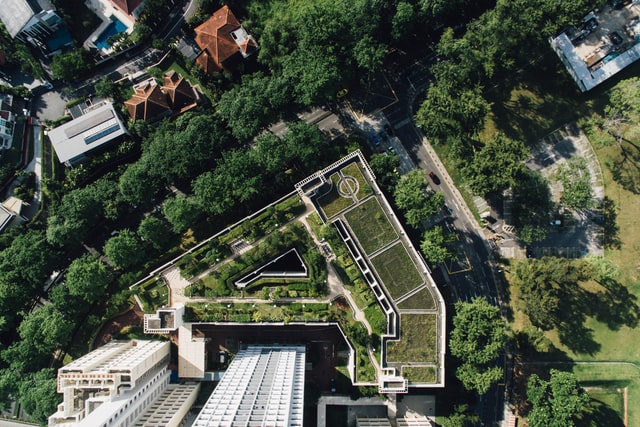
It’s no secret that our towns and cities are made of tarmac and concrete. These waterproof materials are widely used to create our roads, car parks, buildings and other constructions. They are nevertheless the cause of many problems, including the undeniable loss of biodiversity in urban and semi-urban areas.
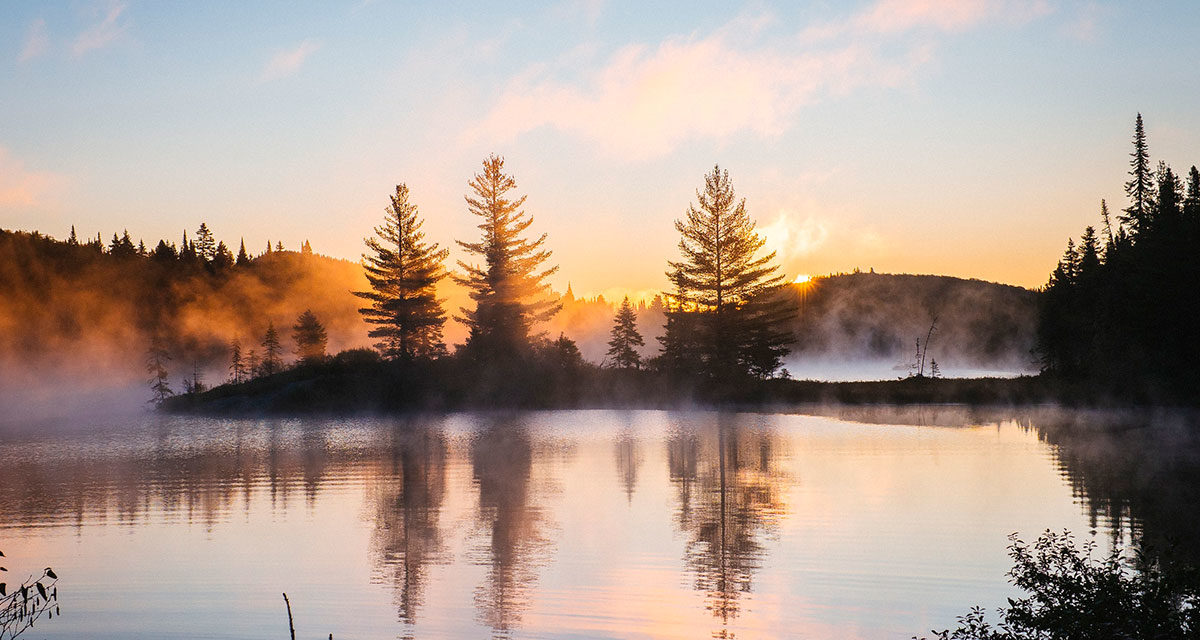
Freshwater aquatic ecosystems are complex and dynamic environments. They include running surface water (rivers and other waterways), wetlands (lakes, ponds, pools, but also marshes), and also groundwater.

One of the many benefits for our ecosystems that is offered by biodiversity is its contribution to the fight against climate change. This is a particularly topical subject, with the recent IPCC* report, the major floods seen in Belgium and the fires that ravage a number of countries around the world.

Life appeared on Earth about 3.8 billion years ago. Current biodiversity is therefore the result of a very long evolutionary process starting with a common ancestor called “LUCA” (Last Universal Common Ancestor).

E-BIOM is located at the Créalys Science Park, a privileged location in the Province of Namur (Belgium) for the development of high-value technological companies.

Because of its small size, Belgium is one of the most urbanised countries in the world. Indeed, according to the World Bank Belgium’s urban population in 2019 was 98%.

Environmental permits, impact assessments, Natura 2000 zones, the DNSH principle... environmental regulations are multiplying with ...
Rue Camille Hubert, 11 TVA BE 0720.977.244 – RPM (Namur)

Parc Scientifique Créalys
5032 Les Isnes – Belgique
IBAN BE83 7320 6527 7415 – Swift/BIC CREGBEBB
© Copyright 2024 | E-BIOM | RGPD | CONDITION GENERALES | POWERED BY URBANMAKERS

