E-BIOM deciphers the New Regulatory Framework on Biodiversity

6 July 2025

Awareness of biodiversity issues is now widespread. Public authorities, private sectors, NGOs, and citizens are all concerned.

As a result, the legislative framework on biodiversity has significantly evolved in recent months:

  • At the international level, with the Kunming-Montreal Global Biodiversity Framework adopted during COP15 in December 2022.
  • At the European level, with the adoption of the Nature Restoration Law on June 17, 2024.
  • At the regional level, with the ratification of the “Biodiversity 360° Strategy” by the Walloon Government on April 25, 2024.

These decisions mark a turning point in preserving our natural heritage. In response to the unprecedented ecological crisis we are facing, these agreements establish ambitious goals to halt biodiversity loss and restore ecosystems by 2030–2050. In this article, we decode the new regulatory framework and its implications.

https://www.e-biom.com/wp-content/uploads/2024/07/accord-de-montreal-e-biom01.jpg
https://www.e-biom.com/wp-content/uploads/2024/07/accord-de-montreal-e-biom02.jpg

Kunming-Montreal Global Biodiversity Framework

The Montreal Biodiversity Agreement, adopted in December 2022 during COP15, is a crucial milestone in the fight to preserve global biodiversity. Officially named the “Kunming-Montreal Global Biodiversity Framework,” this agreement aims to reverse biodiversity loss by 2030 and restore natural ecosystems by 2050.

The framework includes 23 targets to be achieved by 2030. One key goal is to protect 30% of the planet’s land and oceans by 2030, commonly referred to as the “30×30” target. Currently, 17% of land and 8% of marine areas are protected. The framework also calls for the restoration of 30% of terrestrial and marine ecosystems.

Other objectives include:

  • Reducing to near-zero the loss of areas of high biodiversity value and ecological integrity
  • Halving global food waste
  • Phasing out or reforming subsidies harmful to biodiversity while increasing positive incentives for conservation and sustainable use.
  • Mobilizing at least $200 billion per year from public and private sources for biodiversity financing, including substantial support for developing countries.

The agreement places a strong emphasis on the rights of Indigenous peoples and local communities, acknowledging their essential role in biodiversity conservation.

Additionally, the framework encourages the establishment of rigorous monitoring and reporting mechanisms to ensure transparency and effectiveness in actions taken by signatories. This agreement represents a collective effort to prevent a global ecological crisis and secure a sustainable future for the planet.

https://www.e-biom.com/wp-content/uploads/2024/07/accord-de-montreal-e-biom03-640x427.jpg
https://www.e-biom.com/wp-content/uploads/2024/07/accord-de-montreal-e-biom04.jpg

European Nature Restoration Law

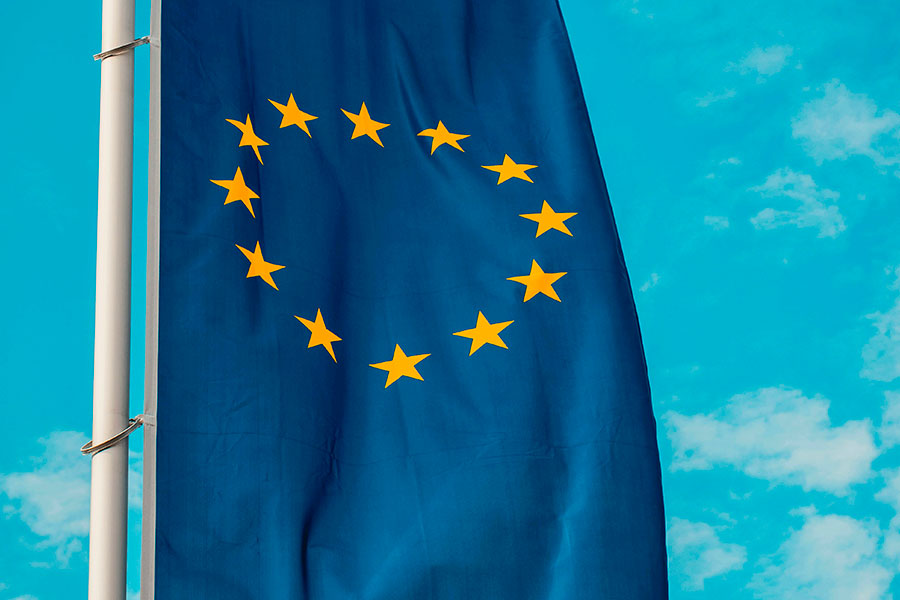
Adopted by the European Parliament in July 2023 and by the European Council on June 17, 2024, the Nature Restoration Law is a major initiative aimed at reversing biodiversity decline and restoring degraded ecosystems across the European Union (EU).

The main objectives are:

  • Restoring degraded ecosystems: The law aims to restore at least 20% of the EU’s lands and seas by 2030 and all ecosystems requiring restoration by 2050.
  • Enhancing biodiversity: It seeks to restore biodiversity by encouraging the reintroduction of native species, the protection of natural habitats, and the creation of ecological corridors.
  • Contributing to climate goals: Ecosystem restoration helps combat climate change by increasing the capacity of natural areas to absorb CO2.


Member States are committed to implementing national restoration plans to achieve high ecological integrity on at least 30% of priority habitats by 2030, 60% by 2040, and 90% by 2050. Specific indicators, such as water quality, soil health, and species diversity, will be used to measure progress.

The EU will provide financial mechanisms to support restoration efforts, including funds from the Common Agricultural Policy (CAP) and other European programs.

The success of this law will heavily depend on the engagement and cooperation of stakeholders, including farmers, businesses, local authorities, and civil society. A balance must be struck between economic development needs and nature conservation objectives.
https://www.e-biom.com/wp-content/uploads/2024/07/accord-de-montreal-e-biom05-640x427.jpg
https://www.e-biom.com/wp-content/uploads/2024/07/accord-de-montreal-e-biom06.jpg

At the Regional Level: Biodiversity 360° Strategy

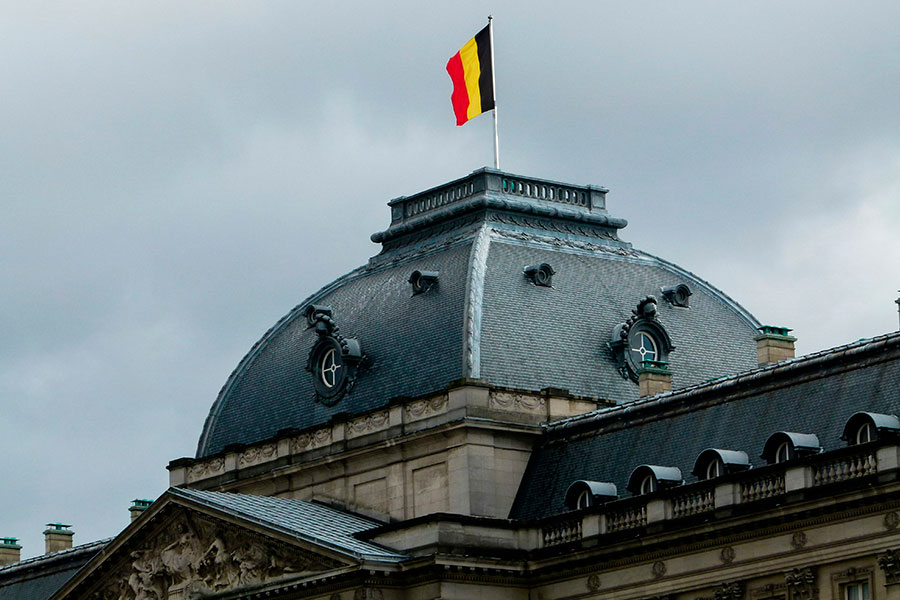
In its 2019–2024 Regional Policy Declaration, the Walloon Government committed to implementing a “Biodiversity 360°” strategy for Wallonia. This strategy is a guidance and programming document for 2030, aligned with the Global Biodiversity Framework from COP15 and the European strategy.

The 360° Biodiversity Strategy comprises 118 concrete actions structured around 5 key areas:
  • Preserve biodiversity and restore species populations and degraded natural habitats ;
  • Integrate biodiversity into development strategies and economic activities, and promote the sustainable use of biodiversity ;
  • Promote biodiversity and engage all societal actors in its favor ;
  • Deploy actions locally and expand them internationally ;
  • Study biodiversity and supervise field activities.


Implications for Companies

This new biodiversity framework presents multifaceted impacts for companies, encompassing regulatory, operational, and social responsibility aspects. Here are the main risks and opportunities for companies:

  • Legal Risks: Companies will have to comply with new biodiversity regulations, including those related to land use, pollutant emissions, and natural resource management. Additionally, companies must report their environmental impacts and biodiversity protection efforts.

Read our article on the CSRD.

  • Financial Opportunities: While nature restoration may involve costs, subsidies and financial incentives are available to support and encourage companies. Regional funds are already accessible through the “Biodiversity and Companies” call for proposals.

Read the announcement on this call.


https://www.e-biom.com/wp-content/uploads/2024/07/accord-de-montreal-e-biom07-640x427.jpg
https://www.e-biom.com/wp-content/uploads/2023/09/e-biom-biodiversite012.jpg
    • Operational Risks: All companies depend on ecosystem services or natural resources. A strong dependence on certain services or resources represents a risk. E-BIOM can help you determine your dependence on ecosystem services.

    Order an Ecosystem Services Dependency Analysis.

    • Reputational Opportunities: Integrating biodiversity into corporate strategy and daily operations can enhance a company’s reputation and brand value by demonstrating commitment to sustainability and ecological issues.

    E-BIOM supports you in developing your Biodiversity Strategy.

    In summary, these international, European, and regional initiatives present challenges but also opportunities for businesses. Companies will need to adapt, rethink their practices, and seize opportunities.

    E-BIOM offers you the unique combination of its laboratory and expertise, in order to build and objectify your biodiversity strategy.